Space that respects older adults.
Homes and communities shaped around dignity, independence, comfort and the choice to connect.
Start a project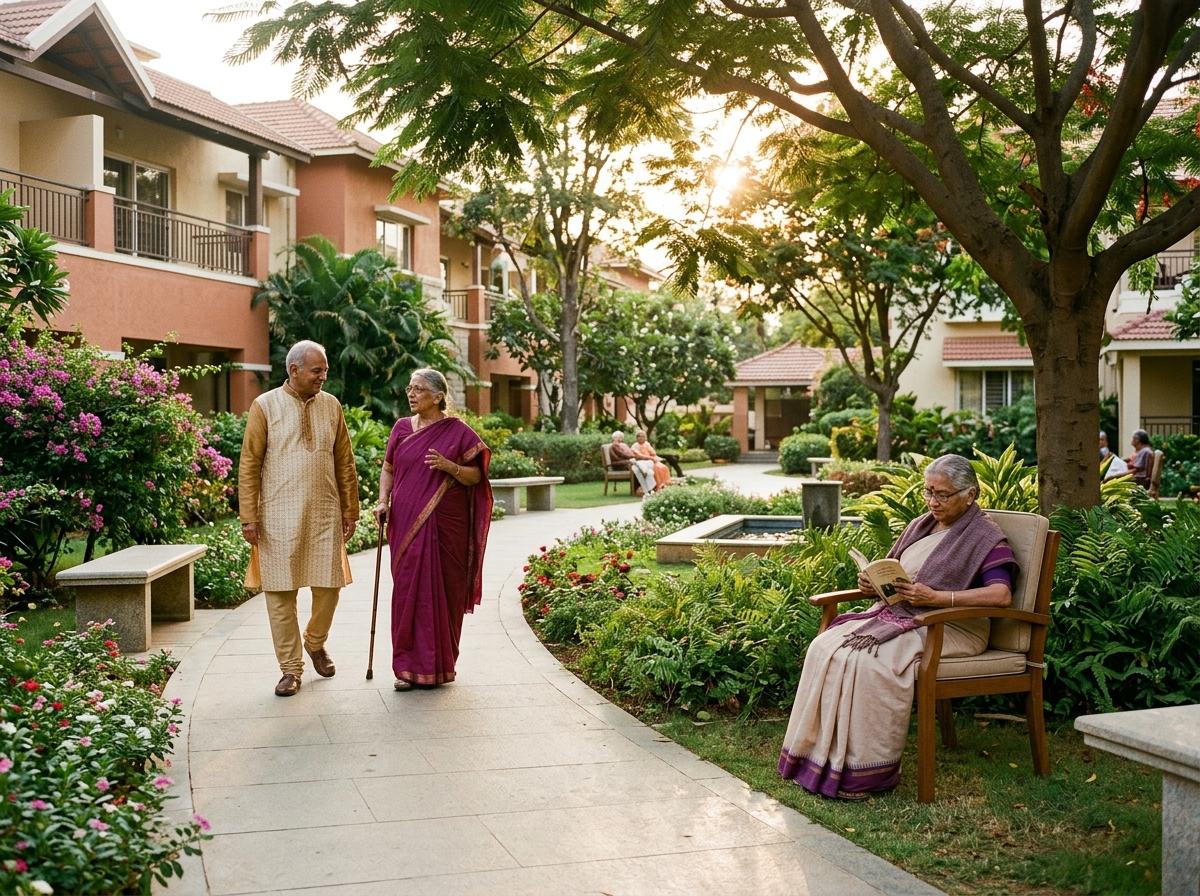
Two settings. Individual needs.
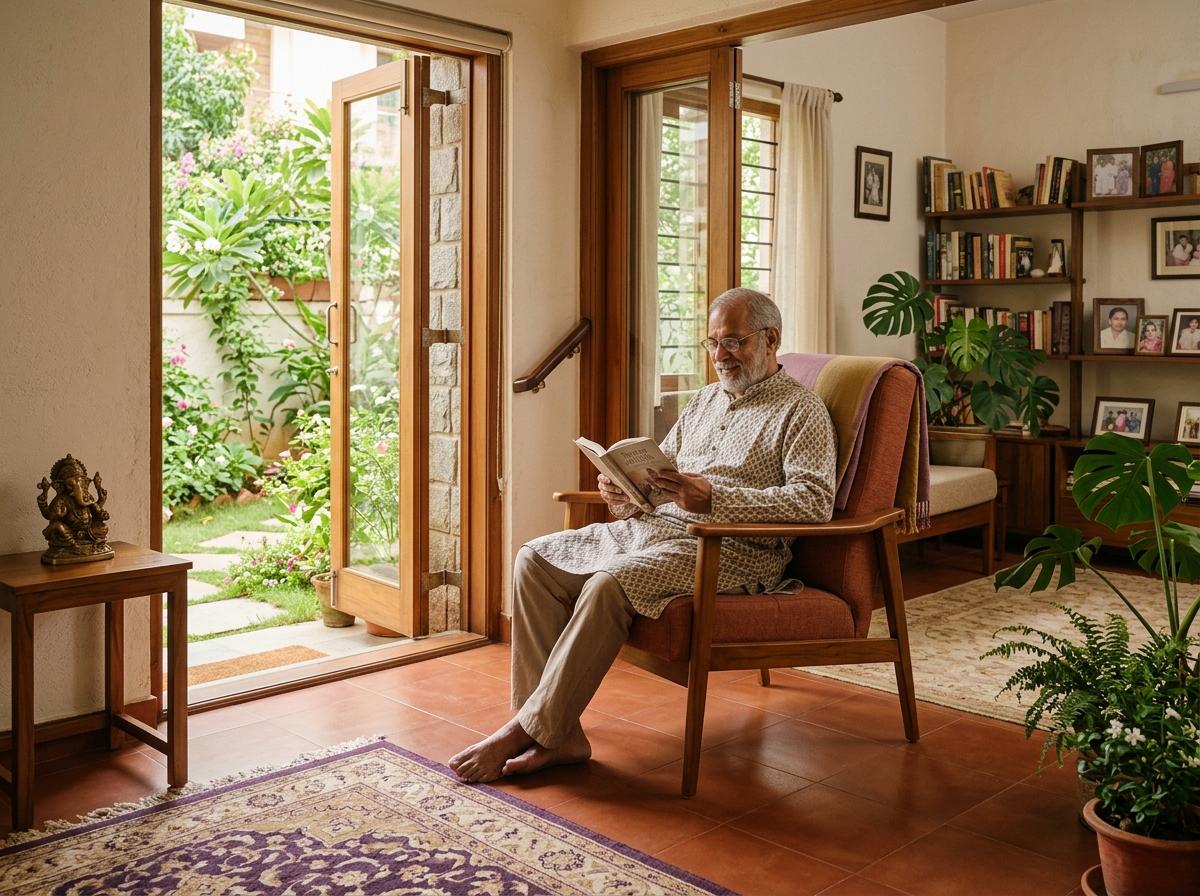
Adapt a family home
Review routines, selected rooms and wider circulation for a parent or grandparent. Practical changes respond to their preferences, privacy and changing support needs.
Plan a community or care setting
Consider resident choice alongside family visits, staff movement, shared activities and retreat. The building, operating model and relevant professional requirements shape the brief.
Begin with ordinary days.
Listen to the resident.
We observe routines and movement, ask older adults about their preferences, and speak with caregivers or staff. Their input adds context; it does not replace the older adult’s own perspective wherever they can share it.
Movement and confidence
Clear routes, resting points, level transitions and considered handholds. Understand which everyday journeys feel difficult.
Light and orientation
Visible destinations, familiar landmarks, useful contrast and control of glare make the space easier to understand.
Privacy and participation
Offer places for company without requiring participation, and quiet settings where residents can withdraw.
Everyday comfort
Seating, reach, storage, bathrooms and kitchens are considered around real activities, not an assumed typical resident.
Small changes deserve careful review.
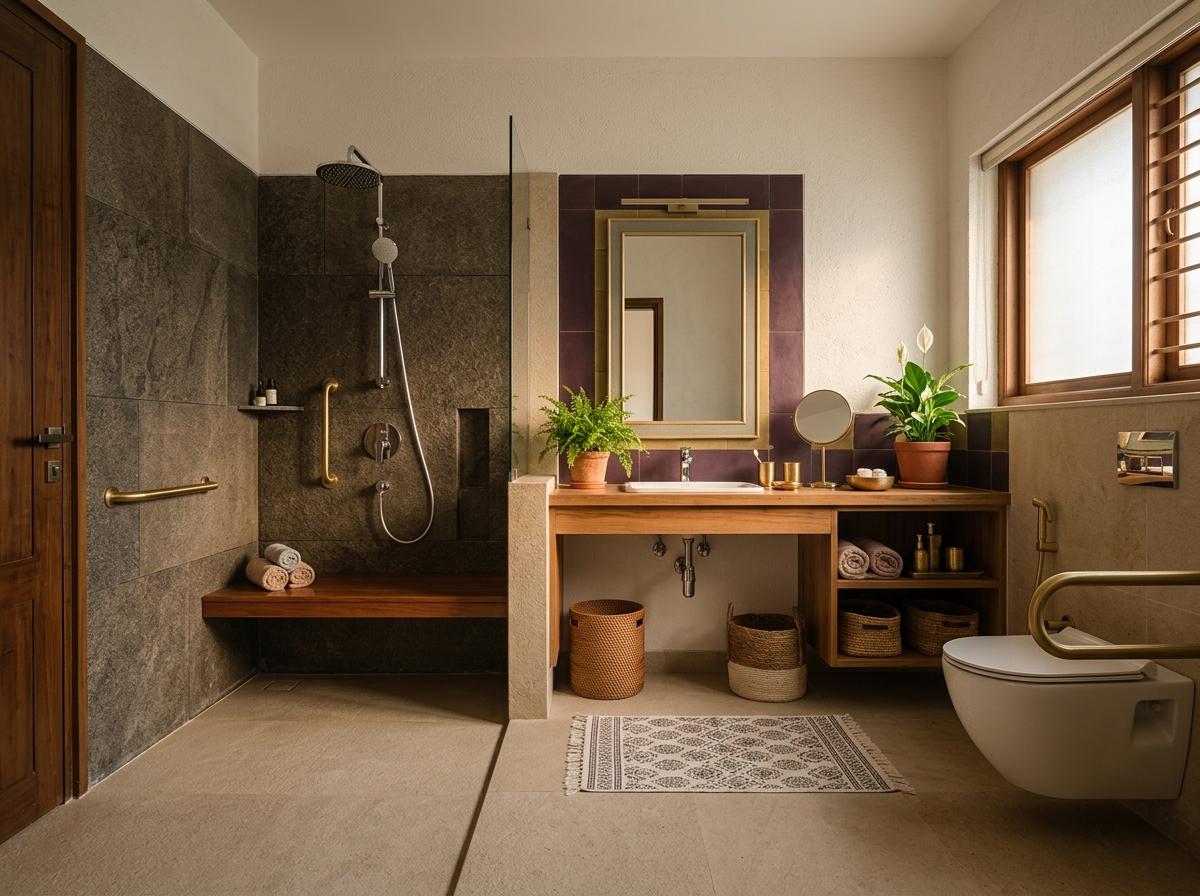
A focused adjustment may resolve a specific point of friction. Other needs require coordinated planning or specialist review. We distinguish the observed issue from the proposed response instead of promising one solution for everyone.
This service does not provide medical or care advice and does not replace statutory, building, fire or accessibility assessments.
Before we begin.
Senior living must support dignity, independence, sensory comfort, legibility, belonging, and safety at the same time. Small environmental frictions can have a larger effect on confidence.
Happy Spaces can review cognitive legibility, landmarks, contrast, routes, sensory load, retreat, and familiarity as part of a broader resident-experience brief.
Yes. On-site observation can reveal movement barriers, confusing destinations, underused social spaces, noise, glare, and opportunities for greater resident choice.
The review considers arrival, orientation, waiting, atmosphere, privacy, visible resident comfort, and the cues that help families trust the community.
Planning for a parent or a community?
Tell us who uses the space, the support available and which everyday activities need to feel more comfortable.
We will discuss the brief, scope and working format before confirming an engagement.
 Made with Levo