Sep 23, 2026 · 3 min read
Silent Luxury at Home: The Details That Let You Exhale
Discover how privacy, light, thoughtful transitions and sensory comfort make a home feel quietly luxurious in everyday life.
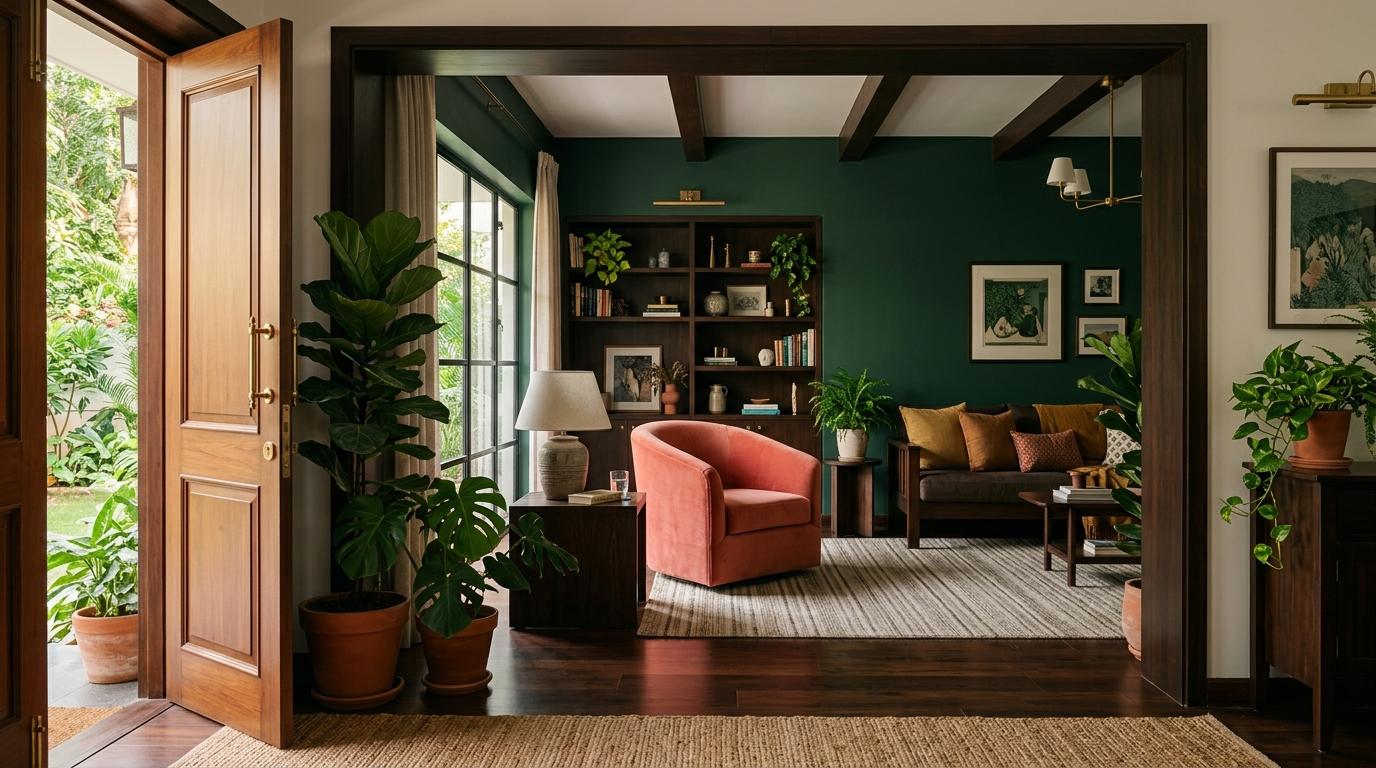
Luxury in a home is not always the detail that catches the eye first. Sometimes it is the feeling of being able to set down your day: the entry that offers a moment of pause, the room that lets conversation happen comfortably, or the retreat that feels genuinely private. Silent luxury at home is the experience of ease, built into the design.
This is not a call for colourless minimalism or rooms stripped of personality. A home can be expressive, richly coloured and full of character while still feeling composed. The quiet part is not the palette; it is the absence of unnecessary friction.
What makes luxury feel “silent”?
Silent luxury is felt through details that support daily life without demanding attention. A well-placed screen protects a sightline. A clear route makes the home easy to understand. A comfortable corner gives someone a choice between joining in and stepping away.
These moments can be more meaningful than a feature that exists mainly for photographs. The test is simple: does the space make ordinary routines feel more comfortable, private or intuitive?
Quiet does not mean neutral
A home does not need a beige palette to feel calm. Colour, texture and personal objects can create warmth and identity; calm comes from how the elements work together and how the spaces function.
A deep green wall, a coral chair or a distinctive artwork can bring life to a room. The design still feels considered when circulation remains clear, lighting is comfortable, and the room offers a place to pause. Luxury is not a single aesthetic. It is a relationship between visual character and lived ease.
Four residential details that create ease
1. A threshold that separates “outside” from “home”
The entry can give residents a gradual transition rather than opening directly into the busiest part of the home. A change in light, a small landing area, a screen or a clear place for everyday belongings can help the household arrive and settle.
2. Privacy by design, not by retreating behind closed doors
Thoughtful room placement, layered sightlines and partial screening can create privacy while preserving connection. A person should be able to sit in a shared room without feeling constantly on display, and private rooms should not become corridors to other destinations.
3. Sensory comfort across the day
Glare, harsh reverberation and competing activities can make a room feel tiring even when it looks polished. Consider where daylight falls at different times, where conversation will happen, and how active and restful uses sit beside one another. Materials are part of this picture, but they work best alongside planning and room adjacencies.
4. Small places of choice
A window seat, a tucked-away chair or a quieter edge of the living room can provide a short pause without isolating someone from the household. A home feels more generous when people can choose how much social contact they want in a moment.
How developers can design for the feeling, not only the photograph
For project teams, silent luxury begins with questions about use. Where will a resident pause after entering? Can family members gather while someone else rests? Are the everyday routes intuitive? Can a resident find privacy without surrendering the shared spaces?
These questions connect the home’s visual identity to its lived performance. The Happy Space Framework can help project teams examine how Nature’s Pampering, Belongingness, Reward, Barriers and Safety show up in the residential experience. The purpose is not to prescribe one look, but to check whether the design supports the people who will live there.
The lasting impression is often an ordinary one
A premium home does not need to announce every design decision. It can be memorable because it makes daily life feel considered: entering, resting, hosting, concentrating and being alone together.
That is the promise of silent luxury. It is not less personality. It is more thought behind the experience.
Frequently asked questions
Does silent luxury mean a minimalist or neutral home?
No. It describes a feeling of ease, privacy and considered use, not a required palette. Expressive colour and personal character can coexist with clear planning and sensory comfort.
Is silent luxury only about soundproofing?
No. Acoustic comfort can be one part, but silent luxury also involves arrival, privacy, light, intuitive movement and access to moments of retreat.
How can a residential team assess it early?
Review everyday scenarios on plans: entering with bags, hosting guests, resting while others are active, and finding a private place to read or work. These scenarios can reveal friction before design decisions are fixed.
Planning a premium residential project? Review the lived experience alongside the visual concept with Happy Spaces.
 Made with Levo